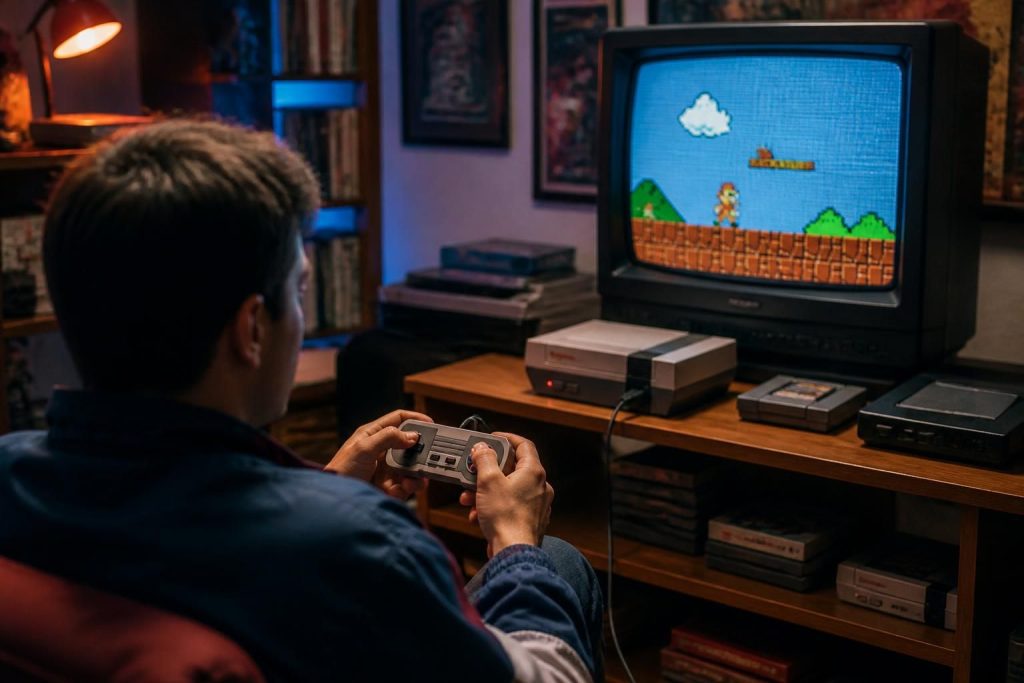
Retro games making a comeback is more than just a trend; it reflects a cultural phenomenon where nostalgia meets the evolving landscape of gaming technology. As gamers who grew up in the ’80s and ’90s become adults with disposable income, the appetite for classic titles has surged. From pixelated masterpieces to beloved franchises, the revival of retro gaming offers both a trip down memory lane and a fresh experience for new players.
Why Are Retro Games Gaining Popularity?
The resurgence of retro games can be attributed to several factors, primarily nostalgia. Many players reminisce about their childhood experiences with iconic games like Super Mario Bros. or Pac-Man. This nostalgia is often shared through social media, where gaming communities celebrate these classics, further fueling interest. Furthermore, the rise of streaming platforms has allowed retro games to gain visibility among younger audiences, who may never have encountered them otherwise.
Additionally, the accessibility of retro games has greatly improved. With the advent of emulators and collections released on modern consoles, players can easily enjoy these vintage experiences. For instance, platforms like Steam offer compilations of classic games, making it simple for both old fans and new players to find and play these titles.
The Role of Indie Developers in the Retro Revival
While major studios occasionally re-release classic games, indie developers play a crucial role in the retro gaming comeback. They often create games inspired by the mechanics and aesthetics of past titles, contributing to a resurgence in retro-style gaming. Games like “Shovel Knight” and “Celeste” have received critical acclaim for their homage to 8-bit and 16-bit eras while infusing modern design sensibilities.
Indie games often embrace pixel art and chiptune soundtracks, evoking the charm of retro gaming. They also allow for innovative gameplay that maintains the spirit of traditional games but presents them in a fresh, engaging manner. This blend of old and new attracts both nostalgic players and a new generation eager to experience the essence of retro games.
Collectibles and Remasters: Expanding the Market
The market for retro games has expanded beyond simple re-releases. Collectibles, limited edition consoles, and remastered versions of classic games are increasingly popular. Companies like Nintendo and Sony have capitalized on this trend with products like the NES Classic Edition and the PlayStation Classic, appealing to collectors and fans alike. These products often come pre-loaded with multiple titles, providing a convenient way for gamers to enjoy numerous retro experiences.
Moreover, remasters and definitive editions of classic titles, such as “Final Fantasy VII Remake,” have garnered attention. These new iterations often feature upgraded graphics, improved gameplay mechanics, and additional content, making them more appealing to contemporary audiences while still honoring the original games. This strategy effectively creates a bridge between generations of gamers, fostering a broader appreciation for retro titles. https://stakeobet.com/ has embraced this trend by offering various gaming experiences that resonate with both old and new audiences alike.
The Community Aspect: Online Multiplayer and Retro Gaming
The online gaming community has also contributed significantly to the resurgence of retro games. Many classic titles feature multiplayer capabilities, and enthusiasts have created platforms to host online tournaments and competitions. This community-driven approach not only keeps the games alive but fosters a vibrant environment for players to connect over shared interests.
Streaming services like Twitch have further fueled this interest. Gamers often broadcast their gameplay of retro titles, inviting viewers to join them in nostalgia-fueled adventures. These streams serve as a platform for viewers to discover retro games they may not have played before, leading to renewed interest in classic titles. Additionally, the ability to share strategies, tips, and experiences online has enhanced the communal aspect of retro gaming.
The Future of Retro Gaming: A Lasting Impact
Looking ahead, the future of retro games appears bright. The integration of retro aesthetics into modern gaming continues to thrive, with new titles regularly releasing that pay homage to the classics. Major gaming conventions and events often spotlight retro gaming segments, showcasing the ongoing popularity and interest in these older titles.
As long as there are gamers who appreciate the past, retro games are likely to remain a staple in the industry. The blend of nostalgia, community, and creativity ensures that these beloved classics will continue to influence new projects, keeping the spirit of retro gaming alive for generations to come. Even innovations like crypto blackjack have found a nostalgic audience, showing the diverse ways that past and present can intersect in gaming culture.
In conclusion, the trend of retro games making a comeback is not simply a fleeting moment in gaming history but a reflection of enduring nostalgia and community spirit. As old favorites are revitalized and new titles emerge inspired by their predecessors, it becomes clear that the love for retro gaming is here to stay. The blending of classic experiences with modern technology ensures that players will continue to enjoy the charm of past generations while creating a rich tapestry for future gaming culture.